Research teams
Homeostasis Lipid-Protein in Seed
The seeds of cultivated plants are essential for food, feed and industry. Oleoproteaginous crops such as rapeseed essentially accumulate oil and protein.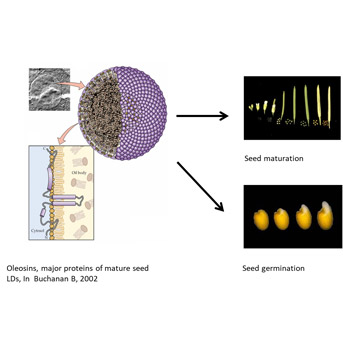
Dynamics and Structure of Lipid Bodies
Most organisms store lipids or oils in intracellular organelles called lipid droplets (LD). Located at the crossroads of the accumulation, storage and mobilization of lipids, LDs have been the subject of few studies compared to the other important factors for lipid synthesis and mobilization.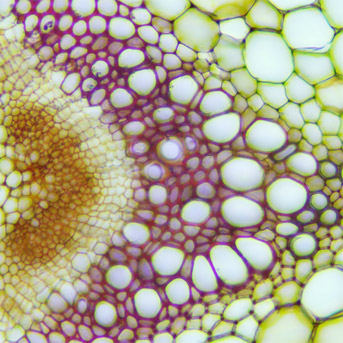
Carbon, Allocation, Transport and Signaling
Sugar allocation from photosynthetic to heterotroph organs, is critical for the adjustment of plant growth and development under contrasting environments.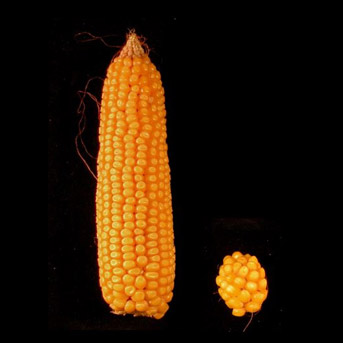
Management of Nitrogen and Crops Productivity
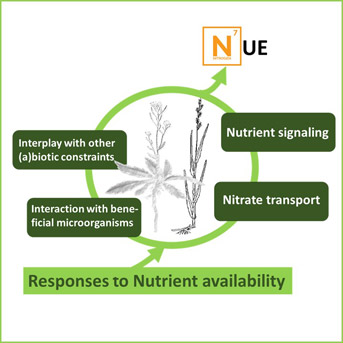
The team Nitrogen Management and Plant Productivity studies the physiology and molecular genetics of nitrogen nutrition in plants.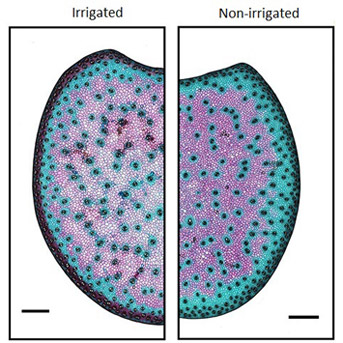
Biomass Quality and Interactions with Drought
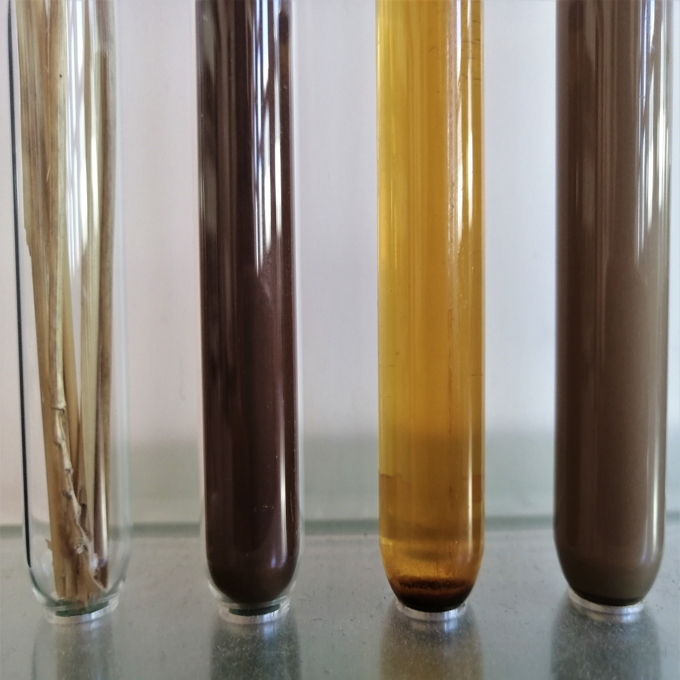
Research activities carried out in the QUALIBIOSEC team are devoted to the identification of biochemical, histological and molecular factors involved in lignocellulosic biomass degradability in maize in the context of climate change, and in particular of water deficit.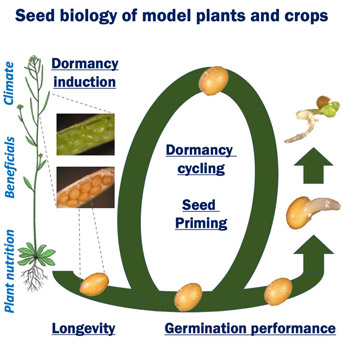
Germination Physiology
PHYGERM team research aims to understand the molecular mechanisms underlying the key factors pre- or post- harvest that influence germination capacity and seedling vigour, with a focus on adaptive responses to environmental constraints.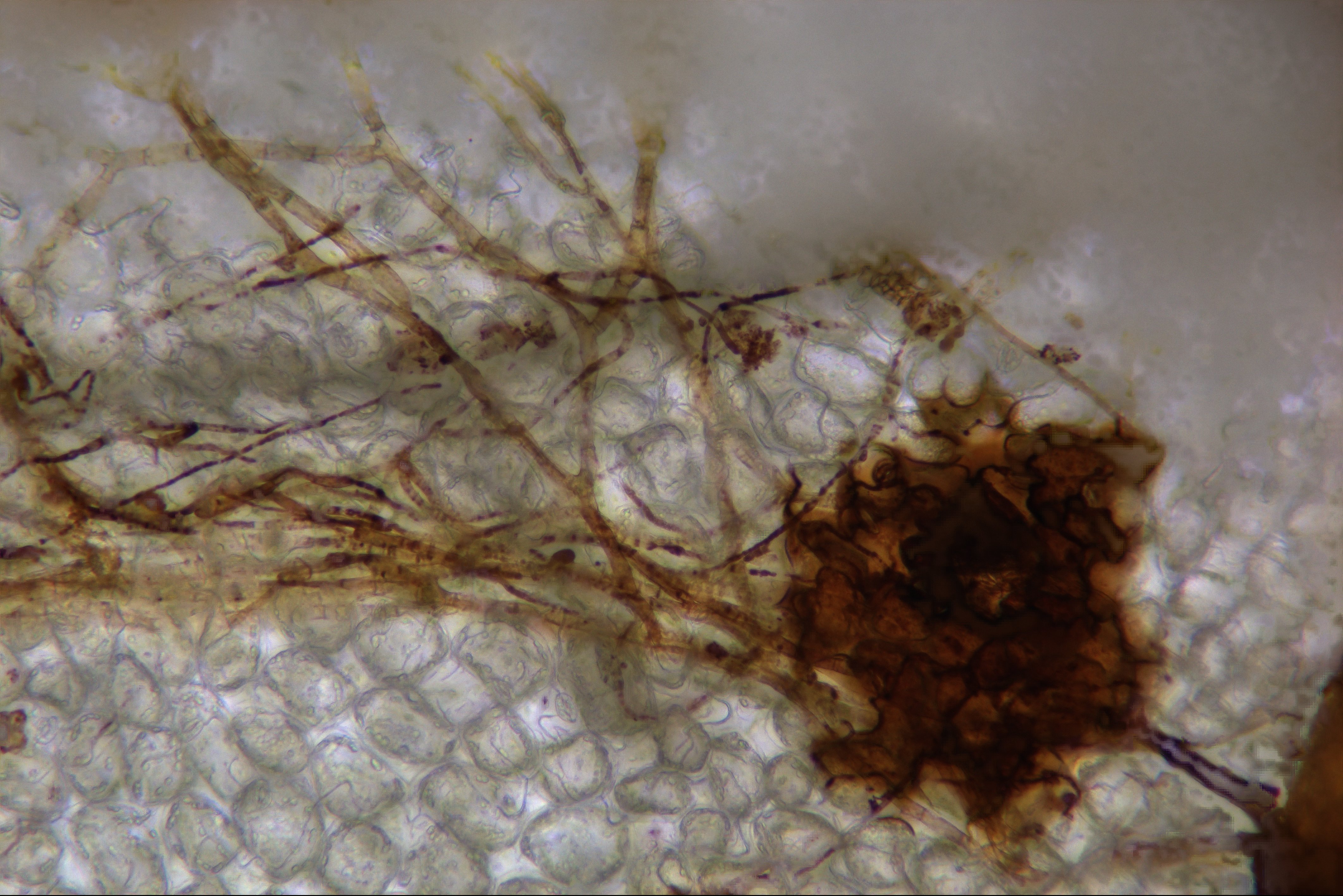
Nitrogen-Pathogen interactions
The NPI team studies plant diseases caused by necrotrophic pathogens. Our aim is to understand the mechanisms of pathogens attack plants and of plant defense. We also study the impact of plant nutrition on these mechanisms, in particular plant nitrate nutrition.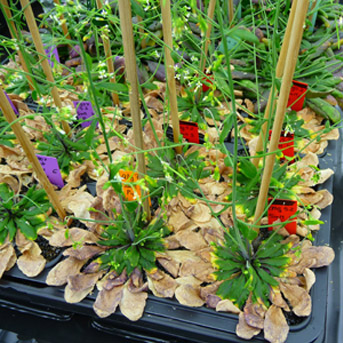
Senescence, Autophagy, Nutrient Recycling and Nitrogen Use Efficiency
The SATURNE team brings together experts in molecular physiology who are interested in the molecular processes of nutritional recycling and the allocation of nitrogen resources in the plant organs.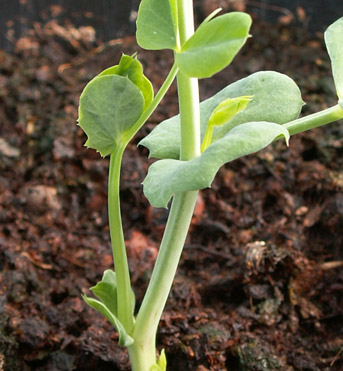
Strigolactones and Allelochemicals Signaling
The SAS team is interested in specialized metabolites synthesized by plants that have a hormonal function and/or are involved in interactions between plants in the rhizosphere (allelopathy).